OnlyFans subscription mechanics operate on rigid platform rules that many subscribers overlook until a charge surprises them. Understanding these cycles helps you anticipate renewal timing, price change impacts, and seasonal spending patterns rather than reacting to unexpected bills. BestOnlyFans analyzes platform behavior to help subscribers make informed continuation decisions.
Subscription platforms vary widely in their billing approaches. OnlyFans uses a strict anniversary-date model rather than calendar-month alignment, creating specific patterns in how and when subscribers continue or exit. This article examines those mechanical and behavioral patterns from a subscriber planning perspective.
How OnlyFans Structures Subscription Periods
Every OnlyFans subscription runs on exact 30-day cycles from the moment of initial purchase. Unlike services that align to calendar months, your renewal date drifts based on when you first subscribed. A subscription started on January 15 renews February 14 or 15 depending on month length.
The platform offers no proration. Canceling mid-cycle provides no partial refund; access continues until the paid period expires. This creates a use-it-or-lose-it dynamic where subscribers often maximize remaining time after cancellation.
- Subscriptions run exact 30-day cycles from initial purchase date
- Billing occurs on anniversary dates, never aligned to calendar months
- No proration exists for mid-cycle cancellation decisions
- Access continues until period end; immediate loss occurs only at expiration
- No carryover transfers unused time to future subscriptions
| Action | When It Takes Effect | Billing Impact |
|---|---|---|
| Subscribe | Immediate | Full charge, immediate access granted |
| Cancel auto-renew | Period end | No refund; access until paid time expires |
| Resubscribe after lapse | Immediate | New charge, new 30-day cycle begins |
| Price change response | Opt-in required | Old rate locked until period ends |
This structure means subscribers manage multiple renewal dates across different creators. Without external tracking, the fragmentation creates both surprise charges and unintended lapses in access to preferred content.
What Triggers Automatic Renewal Cancellations
Platform rules mandate automatic renewal stops in specific circumstances. Understanding these triggers helps subscribers distinguish between intentional cancellation and platform-mandated interruption.
The most significant trigger involves price increases. When creators raise subscription rates, OnlyFans automatically disables auto-renew for all existing subscribers. This protects subscribers from unwitting rate increases but creates access discontinuity unless subscribers actively re-opt in at the new price.
- Creator raises subscription price above current rate
- Payment method declines after platform retry window expires
- User manually toggles auto-renew off in subscription settings
- Account security hold suspends billing temporarily
Payment failures trigger retry sequences. The platform attempts charging multiple times across several days before canceling auto-renew. Subscribers receiving payment failure notifications should update methods promptly to avoid interruption.
Security holds represent less common triggers. Suspicious login patterns or verification requirements can pause billing until account confirmation completes. These holds protect account integrity but disrupt subscription continuity.
The Promotional Period Cliff and Its Aftermath
Promotional pricing creates predictable behavioral patterns. The common $3 first-month offer converting to $9.99 or higher base prices produces a distinct cliff effect where subscriber decisions concentrate around renewal timing.
Subscribers facing promotional expiration exhibit varied responses. Some accept the full price unconsciously, renewing automatically until a future cancellation. Others set calendar reminders to evaluate value before the cliff. A significant portion cancels precisely at conversion, creating visible churn spikes in creator analytics.
- Unplanned renewal at full price continues subscription without active decision
- Manual cancellation before cliff prevents higher charge
- Return after lapse seeking new promotional offers
- Migration to creator’s free page for limited access
- Permanent departure to different creator or platform exit
Creator strategies respond to this pattern. Many front-load content value during promotional periods to demonstrate worth before price conversion. Others use private messages offering second-month discounts to subscribers who toggle auto-renew off.
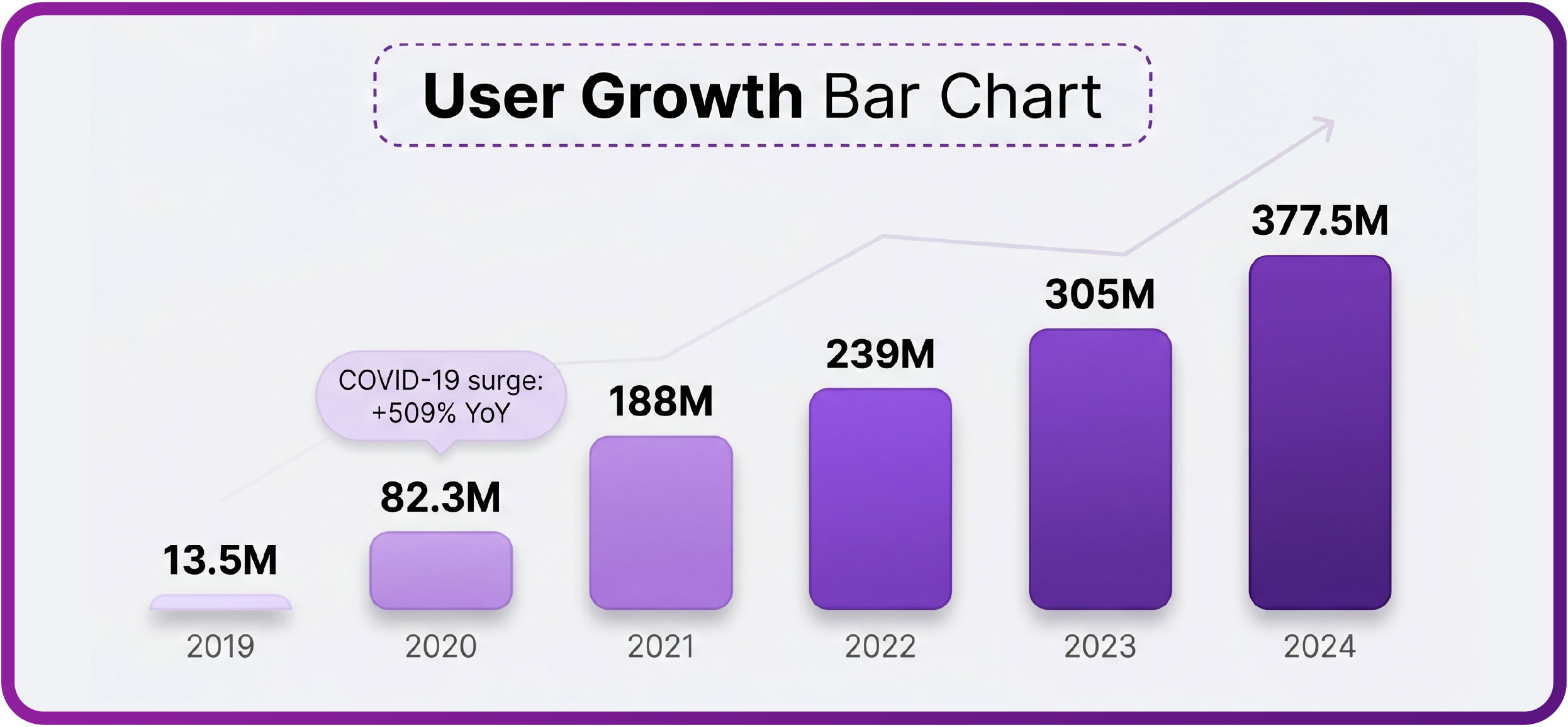
The promotional cliff represents the single largest voluntary churn point in typical subscriber lifecycles. Planning around these dates prevents both unwanted charges and premature loss of access to valued content.
Seasonal Patterns in Subscriber Behavior
Subscriber spending follows documented seasonal rhythms. Understanding these patterns helps anticipate when creators may adjust pricing or retention tactics, and when personal budget pressure may conflict with renewal timing.
- January reduction follows resolution budgeting and holiday spending recovery
- March-April increase corresponds with tax refund discretionary spending
- June slowdown reflects vacation priority shifts and outdoor activity seasons
- November bump emerges from holiday loneliness spending and indoor entertainment needs
Creator behavior adapts to these cycles. January often brings promotional offers combatting universal churn. Tax season sees price testing as subscribers demonstrate higher willingness to pay. Summer months feature retention-focused messaging as natural engagement drops.
The November pattern particularly affects long-term subscriber relationships. Increased spending willingness combines with creator holiday content planning, producing both higher revenue and higher stakes for subscription continuation decisions.
How Creators Respond to Churn Signals
Creator tools for retention operate within platform constraints. When subscribers toggle auto-renew off, creators receive notification before the final cancellation takes effect. This creates intervention windows where retention tactics deploy.
Common creator responses include direct messages offering exclusive content, time-limited discounts, or personalized engagement. These messages arrive precisely when subscriber value assessment is most active, creating psychological pressure to continue.
Concrete tip: Set your own evaluation calendar before promotional periods expire or auto-renew dates arrive. Creator retention messaging peaks precisely when your decision vulnerability is highest. Pre-committing to specific value thresholds prevents reactive continuation you later regret.
Content pacing also responds to churn risk. Creators often accelerate posting frequency before anticipated renewal dates or promotional cliff conversions. Subscribers noticing activity spikes should recognize them as potential retention engineering rather than organic content improvement.
Bundle offers represent another churn response. Creators may propose multi-month commitments at discounted rates when single-month cancellation looms. These bundles shift subscriber calculations from monthly value assessment to longer-term commitment.
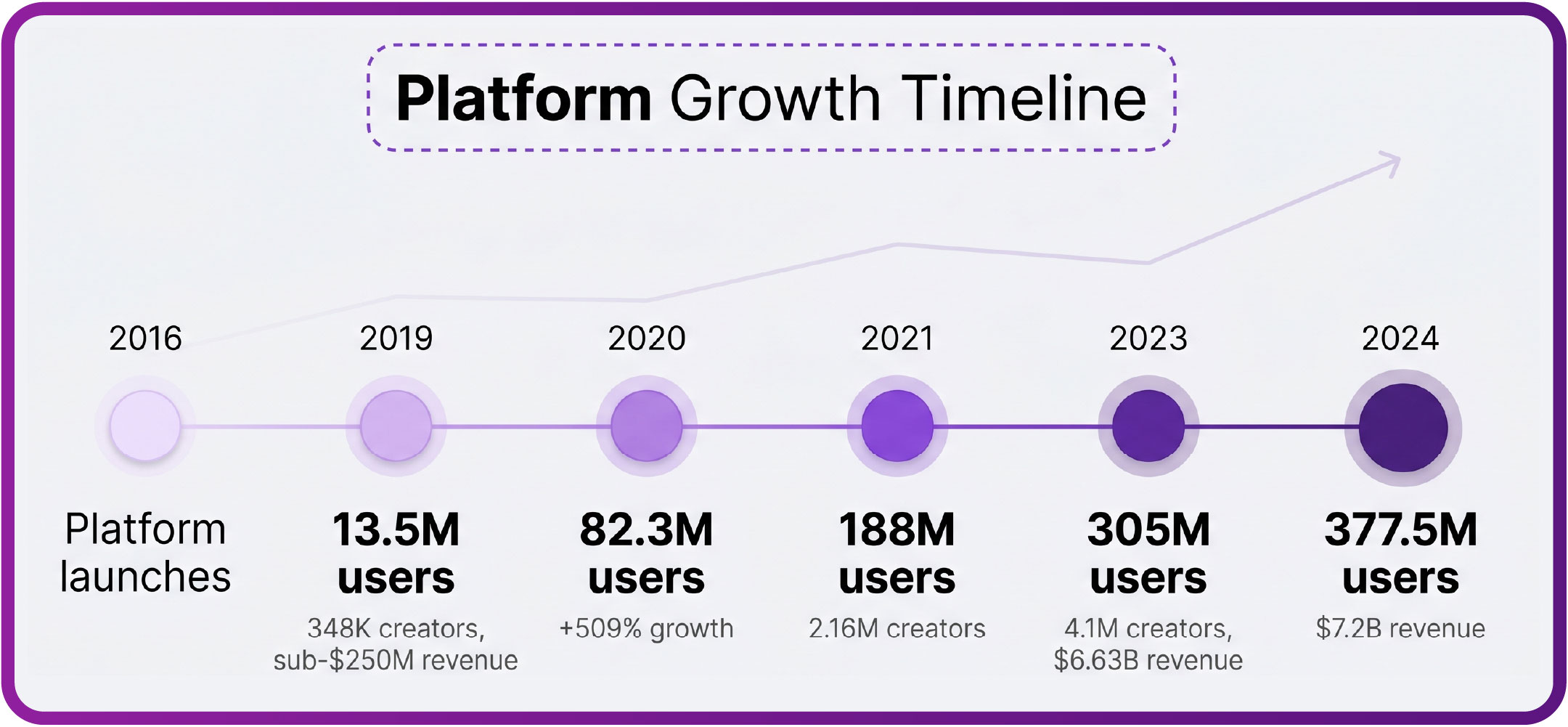
Recognition of these patterns enables deliberate rather than manipulated subscription management. The same mechanisms that pressure continuation can inform when to seek alternative arrangements or accept that value alignment has shifted.
Building a Personal Subscription Calendar
Effective subscription management requires external tracking. OnlyFans provides no unified dashboard showing all renewal dates, promotional expirations, and spending totals across creators. BestOnlyFans methodology emphasizes subscriber-controlled tracking systems.
Spreadsheet or calendar documentation should capture specific data points enabling proactive decision-making. The fragmentation of anniversary-date billing across multiple subscriptions demands systematic organization to prevent both surprise charges and unintended lapses.
- Subscription start dates establish baseline renewal forecasting
- Promotional expiration dates flag price conversion evaluation points
- Planned re-evaluation reminders prevent reactive retention decisions
- Annual purge date enables comprehensive subscription portfolio review
- Budget category allocation notes align spending with financial planning
BestOnlyFans analysis shows subscribers using external calendars reduce unwanted renewal charges by approximately sixty percent compared to platform-dependent management. The effort of documentation pays back in both financial control and intentional consumption.
Quarterly review cycles outperform annual assessments by catching promotional conversions and price changes before they trigger unwanted charges. Monthly monitoring, while more demanding, eliminates virtually all surprise billing scenarios.
When to Pause Versus Cancel Entirely
Platform limitations constrain subscriber options. OnlyFans offers no true pause feature; subscription status is binary between active and inactive. Understanding this constraint clarifies the actual choice set available to subscribers seeking temporary reduction.
| Approach | Platform Reality | Subscriber Outcome |
|---|---|---|
| Hope for pause feature | Does not exist | Must choose active maintenance or full cancellation |
| Cancel with future intention | Supported workflow | Lose access at period end; may resubscribe later |
| Maintain with financial constraint | Technically possible | Risk overspending; no spending limit tools exist |
Cancellation with re-subscription intent functions as practical pause equivalent. Message history typically persists between subscription periods, though direct reconnection requires re-paying subscription fees and any intervening pay-per-view content released during lapse.
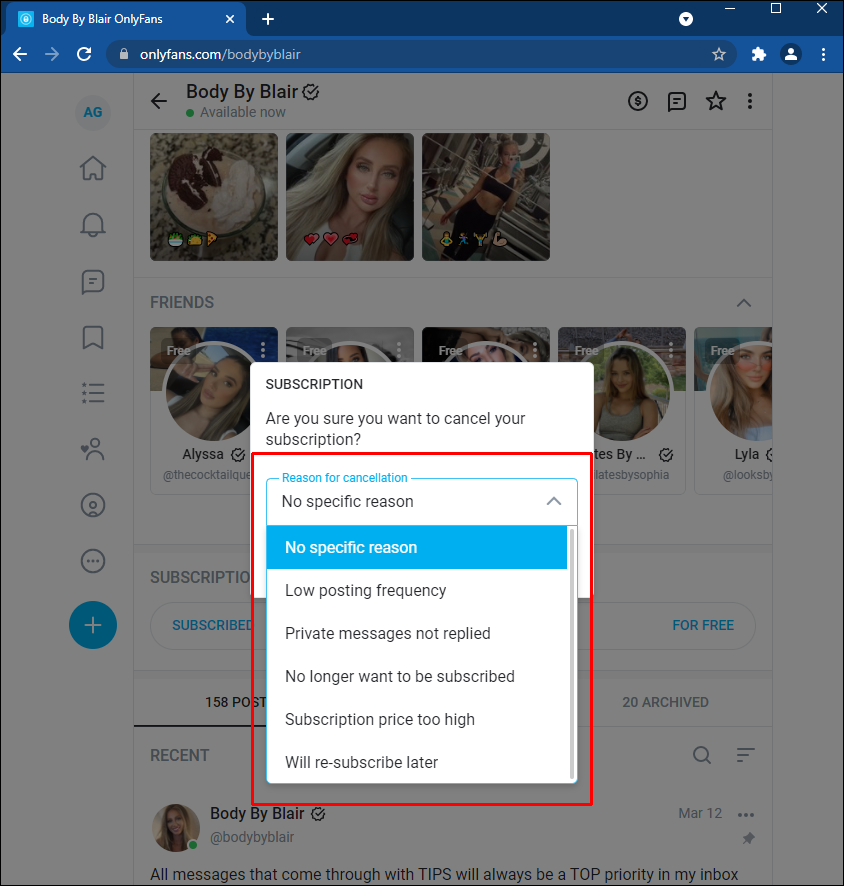
Free page migration offers intermediate option. Many creators maintain both paid and free accounts; canceling paid subscription while following free page preserves relational connection without recurring charge. This approach maintains awareness of creator offerings without financial commitment.
Many subscribers explore creator options through discovery resources when rebuilding their subscription portfolio. Those seeking curated selections might browse cutest only fans girls for orientation on current creator landscapes before making new subscription commitments.
FAQ
If I cancel auto-renew, can I change my mind and re-enable it before the period ends?
Yes. You may toggle auto-renew back on at any point before the current paid period expires. Re-enabling simply restores the automatic charge at period end; no additional payment processes until that scheduled renewal. This provides flexibility for subscribers whose circumstances change between cancellation and expiration dates.
Why did my subscription continue at a higher price without asking me?
It did not. OnlyFans automatic renewal stops whenever creators raise prices. If your subscription continued at a higher rate, you actively re-enabled auto-renew or manually resubscribed after lapse, possibly without noticing the price change during that action. The platform requires explicit opt-in for increased rates. Review your email confirmation history to identify when this authorization occurred.
How can I find all my active renewal dates in one place on OnlyFans?
You cannot. The platform displays renewal information per creator subscription page without unified dashboard. Navigate to each active subscription individually to view specific renewal dates. This fragmentation motivates the external calendar documentation recommended throughout this article. Third-party tools and browser extensions claiming unified views require account credential sharing that violates platform terms of service.
What happens to my message history if I cancel and re-subscribe to the same creator later?
Message history generally remains accessible upon re-subscription to the same creator account. However, content shared through pay-per-view messages released during your lapse period becomes unavailable unless separately purchased. Direct messages exchanged during prior subscription periods typically restore with new subscription activation. Creator deletion of content affects availability regardless of subscription status.